Commercial Waste in Aldershot
Commercial Waste Aldershot provides commercial waste collection and removal for businesses that need a practical way to clear everyday rubbish, mixed recyclable material and heavier non-hazardous items. The service is aimed at keeping workspaces tidy, helping trade premises stay workable, and giving organisations a straightforward route for regular or one-off waste handling in Aldershot. If you need a dependable way to deal with accumulated business waste, start with a clear scope and request a quotation.
Our service covers a wide range of common commercial waste types, from office clutter and packaging to shop back-room clearances, light refurbishment waste and routine bin-lift overflow. Where appropriate, we can also support segregated recycling, confidential shredding, appliance removal and furniture clearance through the relevant service pages. For a closer look at our general collection options, see the waste removal page, which sets out how broader collections can be organised around your premises and the type of material you need cleared.
Every business produces waste differently, so the most useful starting point is to match the collection to the actual material on site. That may mean a one-off uplift after an office move, a recurring clear-out of storage areas, or the removal of bulky items that no longer have a place in your working space. If you are comparing options, our business waste removal page is a helpful place to review the commercial side of the service before you ask for a quotation.
Commercial collections for offices and work premises
Office waste often needs a more measured approach than general domestic rubbish. Paper, card, broken chairs, IT packaging, filing cabinets, archived documents and mixed workplace clutter all require different handling decisions, especially if you want to separate recyclable material from general disposal. Our office-focused collections are designed to support day-to-day clearances, end-of-lease tidying and seasonal rearrangement without turning the process into a complicated project. When the waste is mainly workplace material, the office clearance page explains a service built around desks, storage units, paperwork and other office contents.
For many businesses, the challenge is not simply moving waste away but deciding what should be kept, recycled, donated where suitable, or removed as general disposal. Bulky office furniture can be tackled separately from paper-heavy waste, and confidential items should be treated differently again. Where documents require secure handling, the confidential shredding page gives a better picture of that more specialised service. This helps you separate routine commercial rubbish from items that need additional care.
Bulky item removal and furniture disposal
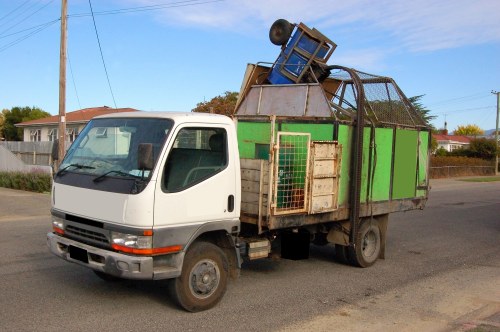
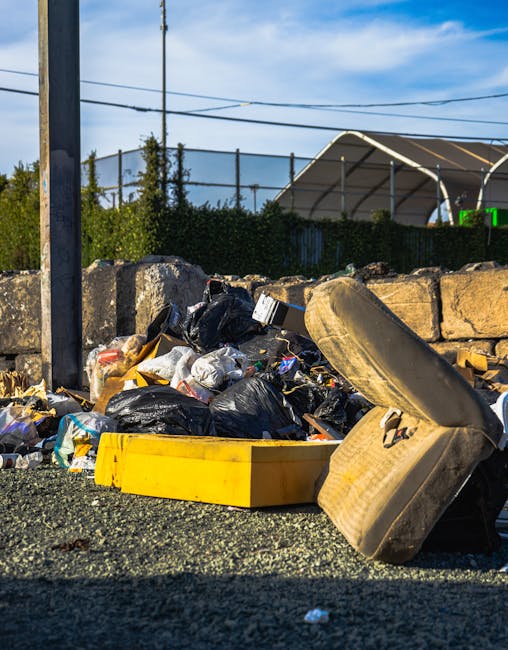
Many commercial clearances become easier once large items are taken out first. Desks, shelving, filing units, soft seating and worn furniture can take up more floor area than the rest of the waste combined, so removing them early often makes the whole job more manageable. We handle furniture disposal as part of broader commercial waste work when the items are suitable for removal and not subject to separate specialist rules. If the main issue is unwanted seating or office furniture, the furniture disposal page is the place to review the service.
Some bulky items are better treated as a distinct category because they are awkward to carry, prone to damage nearby surfaces, or likely to contain mixed materials. Sofas, reception seating and similar items can be covered through the mattress and sofa disposal page when that is the relevant need, while general household-style furniture in commercial premises may fit better under the furniture clearance page. Choosing the right service keeps the quotation clear and helps match the disposal method to the item itself.
If your site includes storage furniture, reception pieces or office seating that can be separated from the rest of the waste, that distinction is worth making at the quotation stage. It helps us plan the collection around lifting access, item size and the likely mix of materials, rather than treating all bulky waste as if it were the same. Clear item descriptions are more useful than broad estimates, because they let the collection be planned properly from the start.
Fit-outs, builders’ waste and strip-out material
Commercial premises often generate waste during redecoration, repair or rearrangement, and that material is usually different from day-to-day rubbish. Offcuts, packaging, plasterboard-related debris, old fixtures, broken fittings and general strip-out material can all appear together, so it is useful to define the job as construction-adjacent rather than ordinary waste. If your project includes renovation debris, the builders waste clearance page is the most relevant description of that work and its typical mix of items.
Where the premises are being altered rather than emptied, the clearance may need to happen in stages so the work does not interfere with the rest of the site. That can mean removing waste from one area while another remains in use, or separating reusable fixtures from the material that is ready to go. Supporting this kind of measured clearance is part of what makes commercial waste handling practical for active workplaces, shops and service units.
Recycling, sustainability and sorted disposal
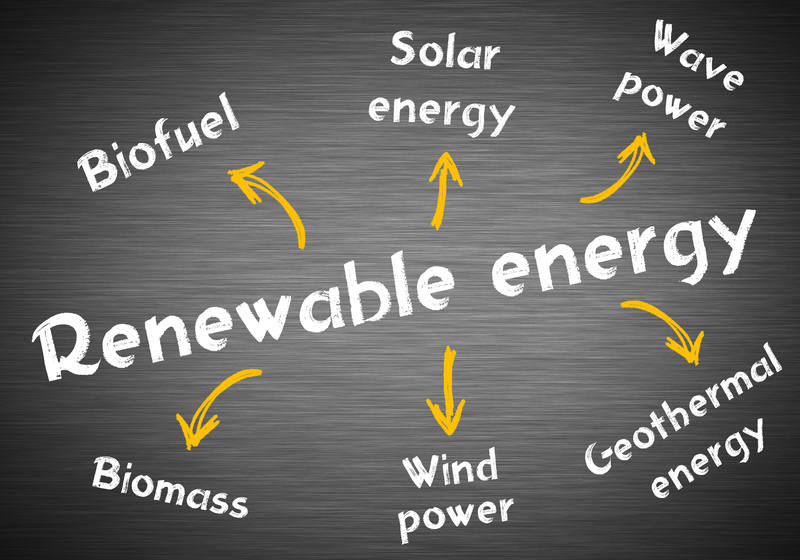
Many commercial customers want a waste service that does more than simply remove items. Sorting recyclable material from mixed waste can reduce the amount sent for general disposal, but it does rely on the waste being identified properly before the collection takes place. Cardboard, paper, metal and some plastics are often easier to separate when they are kept distinct, whereas mixed bags and miscellaneous items need more careful assessment. Our recycling and sustainability page sets out the broader approach to materials that can be recovered or diverted where suitable.
This is particularly relevant for businesses that generate repeated waste from deliveries, packing, stock movement or customer-facing operations. If recyclable material is being mixed into the general waste stream, a more structured plan may be useful. It does not need to be complicated, but it should be specific enough that the collection can be arranged around what is actually on site. In commercial settings, clarity at the point of enquiry often makes the disposal process smoother.
When a business is deciding how to proceed, it is sensible to group waste by broad type first and then note any awkward exceptions. A short list of the main categories is enough:
- general commercial waste
- paper, card and office recyclables
- bulky furniture or fixtures
- special items needing separate handling
Special items and controlled handling

Some items cannot simply be treated as ordinary commercial rubbish. Fridges, freezers and similar appliances may need specific handling because they are large, contain components that require attention, or are not suited to being mixed with general waste. Our fridge and appliance removal page is the right place to look when your commercial waste includes refrigeration units or other white goods that need to be collected separately.
Hazardous or controlled waste is a different matter again. Certain business premises produce materials that must be identified before removal, and it is important not to assume that all challenging waste can be dealt with in the same way. Where a site has potentially hazardous material, the hazardous waste disposal page should be checked before the collection is arranged. That keeps the service honest about what it can and cannot cover, and it helps avoid confusion at the booking stage.
How to prepare a quotation for commercial waste
A quotation is usually easier to prepare when the waste is described in simple practical terms. The main details are the type of material, the approximate amount, whether any items are bulky or difficult to move, and whether access involves stairs, narrow corridors or shared entry points. You do not need to produce a long inventory, but a clear summary helps the price reflect the actual job rather than a guess. If you want to review the pricing approach first, the pricing and quotes page gives a useful starting point.
It also helps to mention whether the collection is a one-off clear-out or part of an ongoing arrangement. Repeated waste tends to follow a different pattern from a single load after a refit, storage move or office reorganisation. The more accurately the collection type is described, the easier it is to match the right service. Good quotations begin with specific information, and that is especially true where the waste contains a mix of sizes, materials or disposal categories.
Business premises, storage areas and regular clear-outs
Commercial waste is not limited to the front of house. Stores, back rooms, stock cages, cupboards and archive spaces all tend to accumulate items that are no longer useful but have not yet been moved away. A sensible clearance plan deals with those areas in an orderly way, so the business can keep its operations going while waste is removed. For premises that need a more regular arrangement, the broader business waste removal service is often the best match.
Regular commercial clear-outs are often easiest when waste is grouped by function rather than by where it happens to be found. Packaging, broken items, redundant equipment and general rubbish can each be handled differently if they are sorted in advance. That approach is useful in trading premises, shared workspaces and small offices alike, because it keeps the collection manageable without requiring the business to stop work while everything is being sorted at once.
Household-style contents in commercial settings
Some business premises contain items that are more domestic in character, especially where the site includes staff rooms, furnished accommodation, serviced spaces or mixed-use rooms. In those cases, the waste may include sofas, tables, beds or other household-style items alongside more ordinary commercial rubbish. Where the contents are broad and mixed, the house clearance and home clearance pages can help explain the types of clearance that sit closer to domestic-style contents, even when the location is being used for work.
For flats or compact units used in a business context, access and item size often matter as much as the material itself. Tight stairwells, communal entrances and limited parking can affect how a clearance is planned, especially if the waste includes large or awkward pieces. The flat clearance page is useful when the premises have that kind of layout and the focus is on removing contents from a smaller enclosed space rather than a standard office or trade area.
Specialist clearances for ancillary spaces
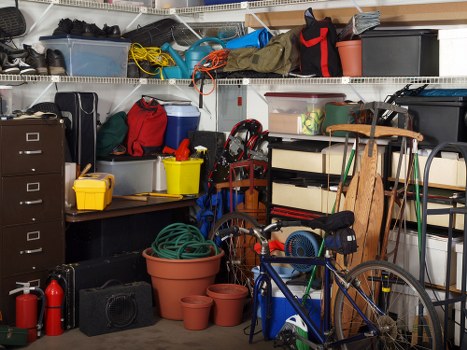
Commercial waste also builds up in rooms that are not central to the business but still need attention: garages, lofts, storage cupboards and outbuildings can all become holding areas for items that never quite get dealt with. These spaces often contain a mixture of packaging, obsolete stock, old tools, broken fittings and miscellaneous items that are best removed as a single organised clearance. The garage clearance page and loft clearance page both describe those more specific space-led services.
Garden areas attached to business premises can present their own type of waste too, including outdoor furniture, cuttings, damaged plant pots, old fixtures and general tidy-up debris. Where the waste is mainly outside, the garden clearance page is the better fit. Choosing the page that matches the space keeps the enquiry focused and helps make sure the collection plan reflects where the waste is actually stored.
Access, storage and item weight remain important regardless of the room involved, so it is worth noting whether the clearance is from an upper floor, a locked yard, a rear annex or a shared access route. That practical detail matters just as much as the type of waste, because it influences how the collection is carried out and whether the removal needs to be split into sections.
About Aldershot
Aldershot is a town in the Borough of Rushmoor, Hampshire, known for its long association with the British Army and for the way that military planning shaped much of its modern development. The town expanded significantly in the nineteenth century after the establishment of the camp in 1854, and that growth left a visible mark on the street pattern, public spaces and local identity. Earlier settlements in the area existed before the military expansion, but the town’s present form is closely tied to that later period of growth. Aldershot railway station, first opened in the 1840s, helped connect the town with London and the wider region, supporting trade, travel and population change as the settlement developed. Aldershot has a varied built environment that includes civic buildings, housing from different periods and reminders of the military heritage that helped define the town. The Aldershot Military Museum preserves part of that story, while places such as the Princes Hall and the West End Centre contribute to a cultural life that is broader than its historical reputation might suggest. Recreation also plays a part in the town’s character, with nearby open space including the large expanse of Manor Park and the adjoining landscaped and woodland areas that form part of the local green network. The town sits within reach of the River Blackwater catchment, while Farnborough and other Rushmoor settlements lie nearby, making Aldershot part of a well-connected urban area with a clear historical core and continuing civic life.
Booking the right commercial waste service
The best service choice depends on what is being removed and how the site is used. A small office clear-out, a storage-room tidy, a bulky furniture job and a mixed commercial waste load may all call for different planning even if they happen at the same premises. That is why the service pages exist as separate guides to the kinds of collections we provide. If your waste is straightforward, a broad collection may be enough; if it includes specialist items, it is usually better to identify them early and choose the relevant page before requesting a quotation.
When you are ready to proceed, keep the request concise and practical. Say what the material is, where it is located, and whether there are any access or handling points that need to be considered. If you want to check the available routes first, you can also review the contact us page for the simplest way to send your enquiry, or go straight to book online if that is the most convenient next step.
For a clear, tailored quotation, tell us what needs removing and where it is stored, then ask us to price the job. That is the most efficient way to turn a mixed commercial waste problem into a workable collection plan for Aldershot.